

Knee pain and replacement
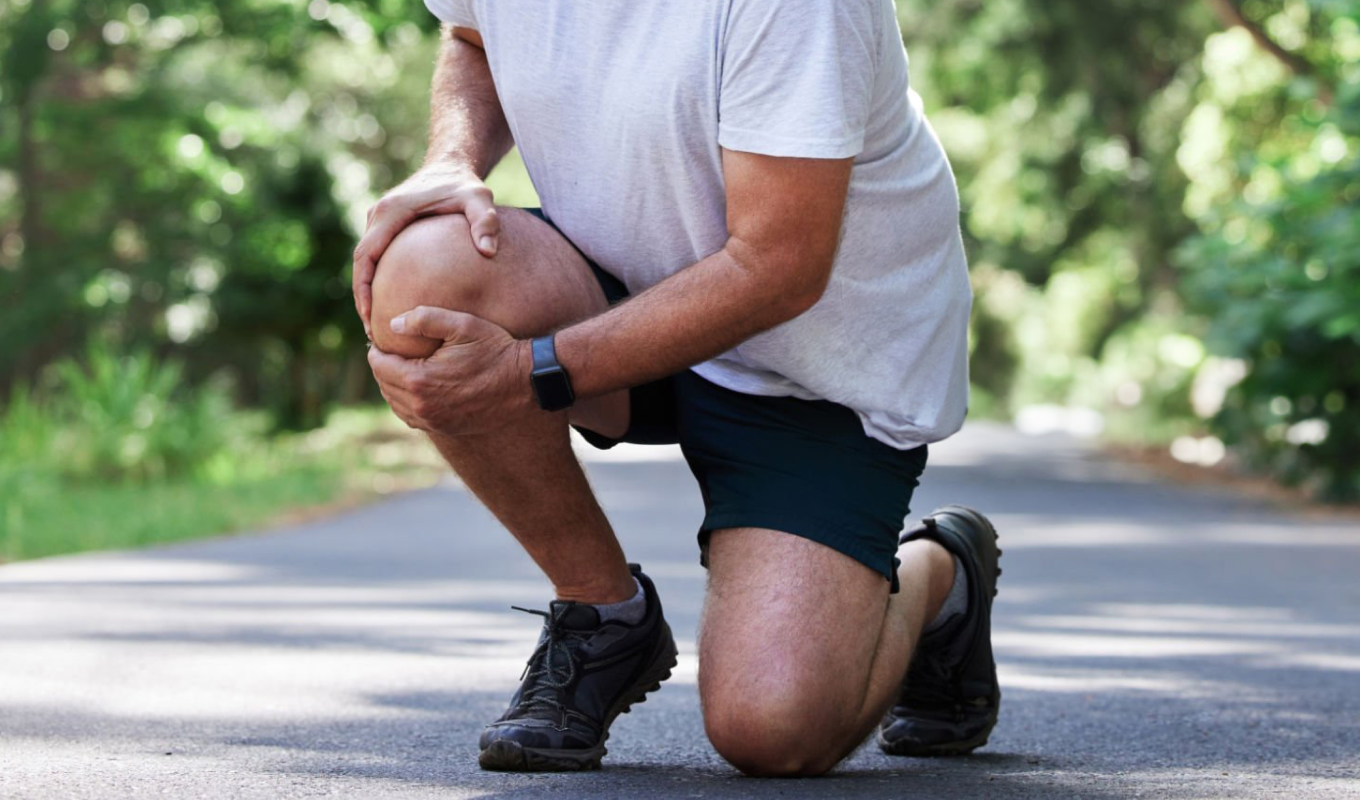
Knee pain has many causes and becomes most disabling when arthritis sets in. Most commonly, the symptoms include pain, swelling, stiffness, and restricted movements. Some patients experience symptoms of locking (the knee gets stuck while bending and is difficult to straighten), instability, a sense of giving way, and, depending on the involvement, stair climbing may become troublesome. Most cases are age-related but can occur in the younger population secondary to infections, inflammation, long-standing injury to the knee, and various other causes. Depending on the compartment involved, the knee becomes deformed, resulting in bowing of the legs ( Varus/Valgus), which makes day-to-day activities, including walking/ sitting, and attending daily activities, difficult.
Early presentations may be managed non-operatively, including Painkillers, Bracing, Physiotherapy, Ultrasound massage, and, for acute flare-ups, steroid injections may be helpful. Other adjunct measures include weight reduction, modifying activities, swimming and cycling, and optimising other medical issues, if any. Co-morbidities. Newer forms of knee injection therapy are now available with the introduction of injectable synthetic hydrogel Arthrosamid and Orthobiological treatments. These may offer good symptom relief and may postpone the need for knee replacement, but their use is restricted to a select group of patients. Non-operative options are useful in all stages of treatment.
Partial and Total Knee Replacements
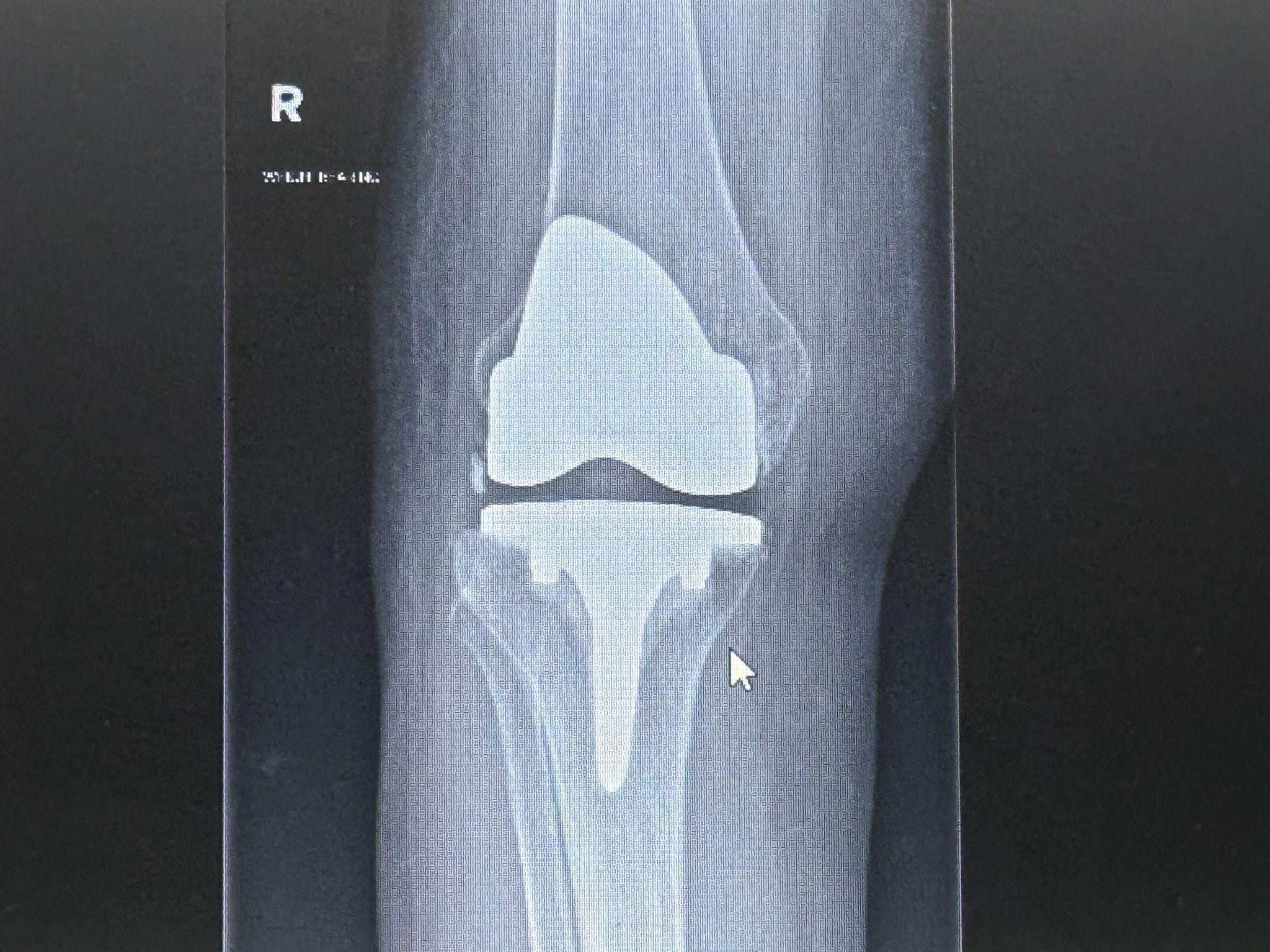
Knee replacement surgery is a highly effective procedure for individuals suffering from severe knee pain and stiffness, most commonly caused by osteoarthritis. Following your assessment, Mr. Madhusudhan discusses the options available. He offers both partial and total knee replacements, ensuring your surgical treatment is perfectly matched to the specific extent of your joint damage..
Partial vs. Total Knee Replacement
Partial Knee Replacement (Unicondylar): If your arthritis is confined to just one compartment of the knee, a partial replacement may be the best option. This minimally invasive approach preserves your healthy bone and ligaments, leading to a faster recovery and a knee that bends and feels more natural.
Total Knee Replacement: When arthritis affects multiple areas of the joint, a total knee replacement is recommended. The damaged surfaces of the thigh bone, shin bone, and kneecap are replaced with modern, durable implants to comprehensively relieve pain and restore function.
Signs You May Need Surgery
Surgery is typically considered when conservative treatments (such as physiotherapy, weight management, or injections) are no longer providing adequate relief. Common signs include:
- Severe knee pain that limits everyday activities, such as walking or climbing stairs
- Moderate or severe knee pain while resting, either during the day or at night
- Chronic knee inflammation and swelling that doesn't improve with rest or medications
- A noticeable bowing in or out of your leg (knee deformity)
Recovery and Outcomes
Modern surgical techniques and enhanced recovery pathways are designed to get you moving quickly, often on the same day as your surgery. With the guidance of a dedicated physiotherapy plan, most patients achieve excellent, long-lasting pain relief and a significant improvement in their mobility and quality of life.