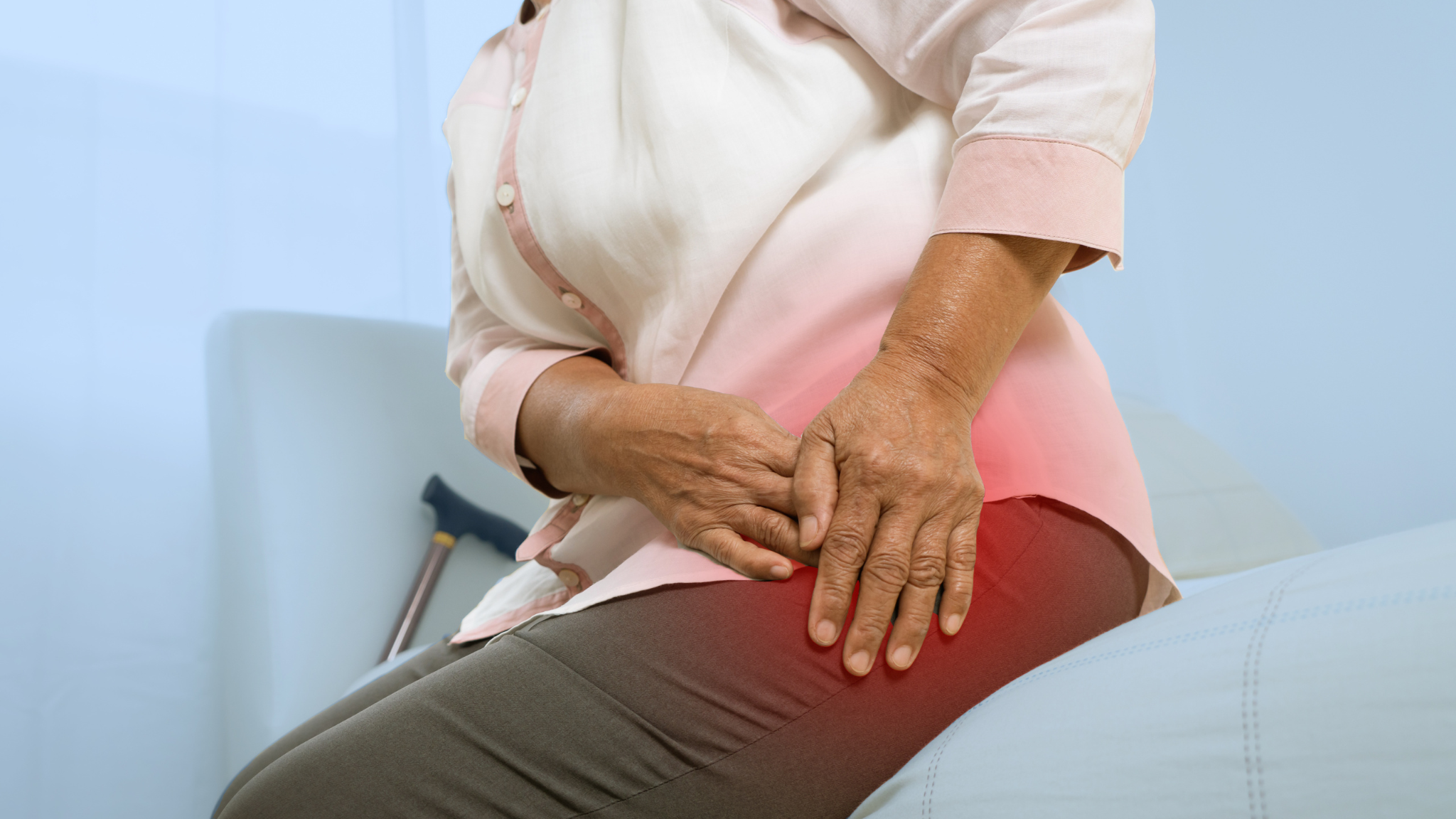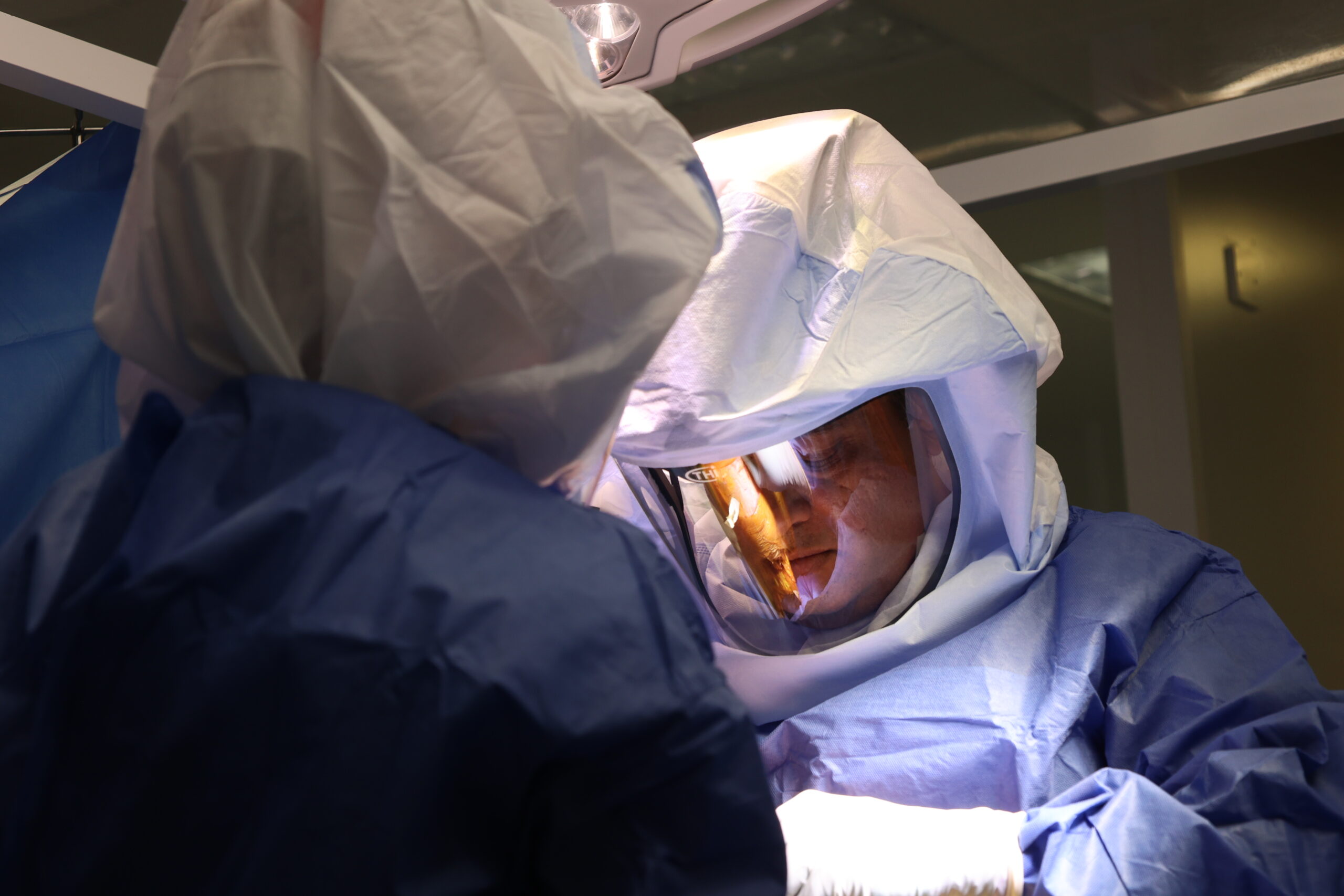

Hip replacement surgery is a highly successful treatment for patients experiencing significant pain and reduced mobility due to arthritis or other hip conditions. During the procedure, the damaged hip joint is replaced with artificial components designed to replicate natural movement.
Hip replacement may be appropriate when conservative treatments are no longer effective. It is generally considered when:
Modern implants and surgical techniques provide reliable long-term outcomes. Many of our patients experience:
Patients are encouraged to mobilise early following surgery. Recovery generally involves physiotherapy, walking exercises, and a gradual return to normal activities. Most patients see significant improvement within several weeks, with continued progress over several months.
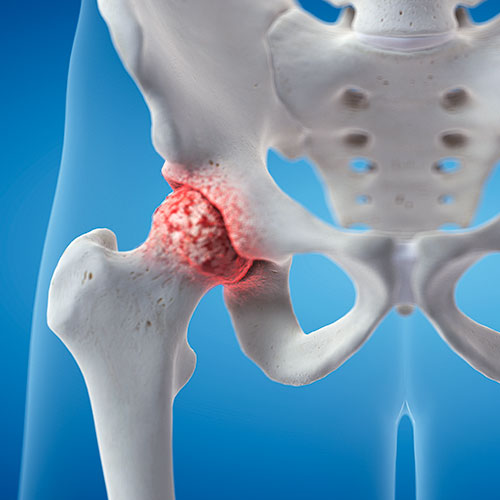
A specialist assessment can determine whether hip replacement surgery is the most appropriate treatment for your symptoms.
Request AppointmentHip pain can dramatically affect day-to-day life, from walking and climbing stairs to sleeping comfortably. The most common cause in adults is osteoarthritis, but hip pain can also arise from inflammatory conditions, injury, or hip impingement. Mr. Madhusudhan offers a complete diagnostic and treatment service to help you find lasting relief.
Assessments include a full history, followed by clinical examination and X-rays, which will indicate the diagnosis in most cases. In some cases, further imaging, including CT scans and MRI scans, will be required both from the diagnostic point and planning further treatment. In some patients, there could be underlying spinal problems which will require further assessments and MRI imaging of the spine.
Conservative treatment;
In the early stages, management options include,
Operative treatment becomes necessary, and the most rewarding and successful option includes a Total Hip Replacement.
Hip replacement is one of the most successful operations I perform, and the vast majority of my patients achieve excellent pain relief and a significant improvement in their quality of life.
During the procedure, I replace the damaged hip joint using one of several surgical approaches. These include approaching the hip from the front (direct anterior), the side (anterolateral or direct lateral), or the back (posterior or posterolateral). Each approach has its own advantages and potential risks, and there is often a balance to be struck between them.
In general, approaches that involve cutting muscle tend to have a longer recovery and rehabilitation period than muscle-sparing or minimally invasive techniques. With modern surgical planning and refined operative techniques, complications such as dislocation, leg length differences, fractures, and implant malposition have become much less common.
I use high-quality implants made from materials such as titanium or stainless steel, together with highly durable polyethylene (plastic) and ceramic components. Depending on your bone quality and individual needs, I may use either cemented implants or specially coated uncemented implants that encourage your own bone to grow onto the implant over the following months. Modern hip replacements have an excellent track record, with most lasting 20–25 years or longer. During your consultation, I will discuss the different implant options with you and explain which I feel is best suited to your situation. .
Pain management is an important part of your recovery. I use enhanced recovery protocols that combine modern anaesthetic techniques with effective pain control, helping you become comfortable and mobile as soon as possible after surgery.
Most of my patients are able to go home within two days of their operation. Once you have recovered from your anaesthetic, you will begin walking with the support of a physiotherapist, usually within a few hours of surgery. Some pain, swelling, and bruising around the incision are entirely normal and are managed with appropriate medication. .
Over the first two weeks, your pain should steadily improve, and you will become more confident walking, although you will still need some support. Recovery continues gradually over the following weeks. By around six weeks, most patients are walking much more independently, and by three months, they have returned to most of their normal day-to-day activities. .
Driving and returning to sporting activities are often possible from around six weeks after surgery, although this depends on your progress and the type of activity you wish to resume. I will discuss this with you during your follow-up appointments and provide advice tailored to your individual recovery.
Physiotherapy, activity modification, and pain relief tailored to your lifestyle.
Image-guided steroid or hyaluronic acid injections to reduce inflammation and pain.
Modern implants and refined surgical techniques for long-lasting pain relief and mobility.
Whether you are seeking advice for persistent hip and knee pain or are ready to discuss joint replacement surgery, our dedicated team is here to support you every step of the way.
Have questions or need to schedule an appointment?
Consultant Orthopaedic Surgeon
© 2026 Samruddhi Medicare Ltd. All rights reserved.